

From the Deep End · ATU Articles & Commentary
Aquatic Therapist Occupational Hazard... Your Pool is HOW Warm?
Why a pool kept near body temperature can be an occupational hazard for aquatic therapists, and how to bring the temperature down safely.
First published November 29, 2024 on atuseminars.comWant to go deeper? Explore the Aquatic Therapy Precautions and Contraindications overview →
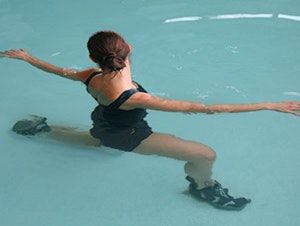
I will never forget the day one of my physical therapy students came to me and said, "I'm so happy. It's the end of the day and I don't have a headache." That gave me pause. Did my teaching style tend to bring on an ache in the brain pan?
That gave me pause. Did my teaching style tend to bring on an ache in the brain pan?
The student laughed and explained. She had just come from a clinical affiliation where she spent most of her week in the pool. And every night like clockwork, she got a headache.
"Ah, you were probably dehydrated," was my response.
"Nope. I drank like a fish," was hers. No problem there. It took me another 10 minutes to suss out the problem.
"Wait, what temperature was the water?" I asked after we went around and around about her nightly fatigue and malaise. "Oh, it was thermoneutral. You know, body temperature - 98.6 degrees."
Houston, we have a problem. 4-6 hours a day in nearly 99 degree water. I bet you had a headache. Hot tub temperatures start at 100 degrees.
Thermoneutral water temperature for humans is generally between 33°C and 35°C (91°F to 95°F). This corresponds with the temperature of your skin, not your core. This range allows the body to maintain its core temperature without needing to generate additional heat or cool itself down. In this thermoneutral range:
The body does not experience heat loss or gain, so it can comfortably remain in the water without thermal strain.
Below 33°C, the body may begin to lose heat slowly, which can eventually lead to mild cooling or shivering over prolonged periods.
Above 35°C, the body may start to absorb heat from the water, which can eventually lead to mild hyperthermia if the immersion is prolonged, especially at rest.
The precise thermoneutral range can vary slightly depending on factors like body composition, activity level, and individual physiology.
Prolonged occupational exposure to water at 37°C (98.6°F) — close to core body temperature — can pose several risks, especially for individuals working in therapeutic or recreational settings like physical therapists, aquatic therapists, or spa professionals. Here are potential risks of prolonged exposure.
To drop the temperature in your pool, do it gradually (perhaps .5 C every few days). Bump up the air temperature if you can and it will reduce the dramatic change. I would drop it back down to 94 degrees or perhaps 95 at the most if you are active in the water.
1. Hyperthermia and Heat Stress
Water at 37°C prevents effective body cooling, increasing the risk of hyperthermia (elevated body temperature) over time, especially with higher levels of activity in the water.
Symptoms can include dizziness, sweating, fatigue, nausea, if exposure is prolonged.
Workers may not immediately recognize signs of overheating since the water temperature feels comfortable initially, which can lead to unintentional overexposure.
2. Cardiovascular Strain
The warm water induces vasodilation (widening of blood vessels), which can lead to lower blood pressure. To compensate, heart rate often increases, putting additional strain on the cardiovascular system.
For individuals with pre-existing cardiovascular conditions, prolonged exposure could heighten the risk of arrhythmias, dizziness, and fainting.
Repeated exposure may contribute to long-term strain on the cardiovascular system, especially if work requires active movement in warm water.
3. Dehydration and Electrolyte Imbalance
Warm water can cause excessive sweating, even though workers may not feel it while immersed. This fluid loss can lead to dehydration and electrolyte imbalances if workers do not take adequate hydration breaks.
Symptoms of dehydration include muscle cramps, headaches, and fatigue. For therapists who spend hours in such environments, maintaining hydration is critical.
4. Risk of Infection
Warm water is a potential breeding ground for bacteria and fungi, increasing the risk of skin infections or ear infections (e.g., swimmer’s ear).
For professionals working in public pools, spas, or therapy pools, there is an elevated risk of exposure to pathogens, including those that can survive in warm water.
5. Psychological and Cognitive Fatigue
Warm environments, particularly for prolonged periods, can contribute to mental fatigue, reducing focus and potentially affecting reaction times, decision-making, and overall job performance.
This can be particularly concerning for professionals responsible for others’ safety, such as lifeguards or therapists monitoring clients.
6. Increased Core Body Temperature and Metabolic Effects
Prolonged exposure to warm water can result in an elevated core body temperature, which can affect metabolic rate and lead to symptoms like loss of appetite, nausea, and increased respiratory rate.
Mitigating Occupational Risks:
To manage these risks, workers in warm water environments should:
Take frequent breaks to cool down and rehydrate.
Use rotating shifts if possible, to minimize continuous exposure.
Monitor for early symptoms of heat stress and take appropriate action, like cooling down or exiting the water.
Follow strict hygiene protocols to reduce infection risk and regularly check for skin issues.
Regular health monitoring and workplace adjustments can be beneficial for professionals who must spend long periods in warm water environments, helping mitigate the occupational risks associated with this exposure.
What the research says
- Warm vs hot water, 2022. 19 Navy divers cycled at a light, steady load while immersed. In 37.2°C water they reached exhaustion in about 43 to 53 minutes on average; in 35.8°C water it took about 93 to 96 minutes. Core temperature rose faster in the hotter water.1
These were young male divers, not therapists, and no study has tracked therapists over a workday; my advice on lowering pool temperature is clinical experience [Expert opinion].
Frequently asked questions
Can warm water cause excessive sweating?
Yes. Therapists may sweat heavily without noticing it while they are in the water.
Can working in 37°C water cause hyperthermia?
It can. Water at body temperature stops the body from shedding heat, so the risk grows over time, especially with activity.
Does warm water raise infection risk?
Yes. Bacteria and fungi grow readily in warm water, which can lead to skin or ear infections such as swimmer's ear.
References
References
- Wheelock CE, Looney DP, Potter AW, et al. Exercise during hot-water immersion in divers habituated to hot-dry and hot-wet conditions. Undersea Hyperb Med. 2022;49(2):197-206. PubMed: 35580487.
How to cite this article
First published November 29, 2024 on atuseminars.com · Last updated October 19, 2026 · Permanent URL: https://www.aquatictherapyuniversity.com/blog/aquatic-therapist-occupational-hazard-your-pool-is-how-warm
How to cite
Salzman, A. (2024, November 29). Aquatic Therapist Occupational Hazard... Your Pool is HOW Warm? From the Deep End (ATU Articles & Commentary). https://www.aquatictherapyuniversity.com/blog/aquatic-therapist-occupational-hazard-your-pool-is-how-warm
Permissions: You may quote and cite this article with attribution. Reproducing or adapting the full article requires written permission from ATU Educational Services, LLC.
Copyright: © 2024 ATU Educational Services, LLC.
For education only; not a substitute for individual clinical judgment.