
From The Deep End · ATU Blog
Guest Post: Regulation & Inspection of Your Pool
Who sets the rules for pools, what those rules cover, and where to find the Model Aquatic Health Code and your state's guidance.
First published March 4, 2024 on atuseminars.comIf you run therapy in any pool, you are working under someone's rules. This guest post by Ben Doff, first shared on the ATU Hub in 2019, explains the basics and links the key codes.
Want to go deeper? Explore the Aquatic Therapy Precautions and Contraindications overview →
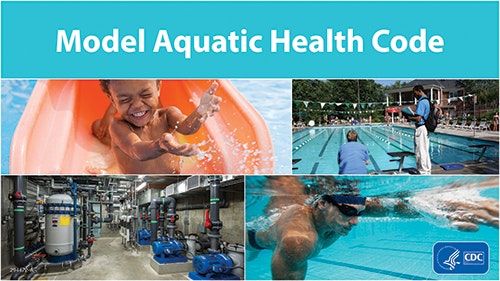
We're reposting thoughts by Ben Doff posted to our ATU Hub all the way back in 2019. We couldn't let this advice be forgotten!
Pool regulations and codes are developed by government agencies to make sure that treated recreational water facilities provide a clean, healthy, and safe environment for the public. These regulations set minimum standards (such as the amount of chlorine that should be in the pool) to decrease the public’s risk of illness and injury. To ensure that these regulations are followed, state and local officials regularly inspect treated recreational water venues.
To learn more about regulatory efforts, inspection study findings, and other information, please follow the links below.
Regulations and Pool Codes
Why the codes matter
- Inspections catch real problems. In 2013 data from five states, 12.3% of routine public pool inspections ended in immediate closure; disinfectant violations were found in 11.9% and safety equipment violations in 12.7%.1
- Outbreaks still happen. Public health officials reported 493 outbreaks linked to treated recreational water in 2000 to 2014, and Cryptosporidium, a germ that resists chlorine, caused 58% of those with a confirmed infectious cause.2
Frequently asked questions
What are pool regulations and codes?
They are rules written by government agencies to keep treated recreational water facilities clean, healthy and safe for the public (Doff, 2024).
What do pool regulations set?
Minimum standards, for example chlorine levels, that lower the public's risk of illness and injury (Doff, 2024).
References
Research cited in this post
- Hlavsa MC, Gerth TR, Collier SA, et al. Immediate Closures and Violations Identified During Routine Inspections of Public Aquatic Facilities - Network for Aquatic Facility Inspection Surveillance, Five States, 2013. MMWR Surveill Summ. 2016;65(5):1-26. doi:10.15585/mmwr.ss6505a1. PubMed: 27199095.
- Hlavsa MC, Cikesh BL, Roberts VA, et al. Outbreaks Associated with Treated Recreational Water - United States, 2000-2014. MMWR Morb Mortal Wkly Rep. 2018;67(19):547-551. doi:10.15585/mmwr.mm6719a3. PubMed: 29771872.
How to cite this article
First published March 4, 2024 on atuseminars.com · Last updated October 19, 2026 · Permanent URL: https://www.aquatictherapyuniversity.com/blog/guest-post-regulation-inspection-of-your-pool
How to cite
Doff, B. (2024, March 4). Guest Post: Regulation & Inspection of Your Pool. Aquatic Therapy University Blog. ATU Educational Services, LLC. https://www.aquatictherapyuniversity.com/blog/guest-post-regulation-inspection-of-your-pool
Permissions: You may quote and cite this article with attribution. Reproducing or adapting the full article requires written permission from ATU Educational Services, LLC.
For education only; not a substitute for individual clinical judgment.