
From The Deep End · ATU Blog
Part 1 of 2Fibromyalgia is (or Should be) All Wet (Part 1 of 2)
Part 1: one patient's story, what the research says about exercise for fibromyalgia, and sample language to document the medical necessity of aquatic therapy.
First published June 5, 2024 on atuseminars.com“No one believes I hurt.” That line, from the sample assessment below, is why documentation matters so much in fibromyalgia: the payer has to believe it too.
Part 1 follows one patient, Anne Marie, and gives you sample language to document the medical necessity of aquatic therapy.
Want to go deeper? Explore the Aquatic Therapy for Chronic Pain course →
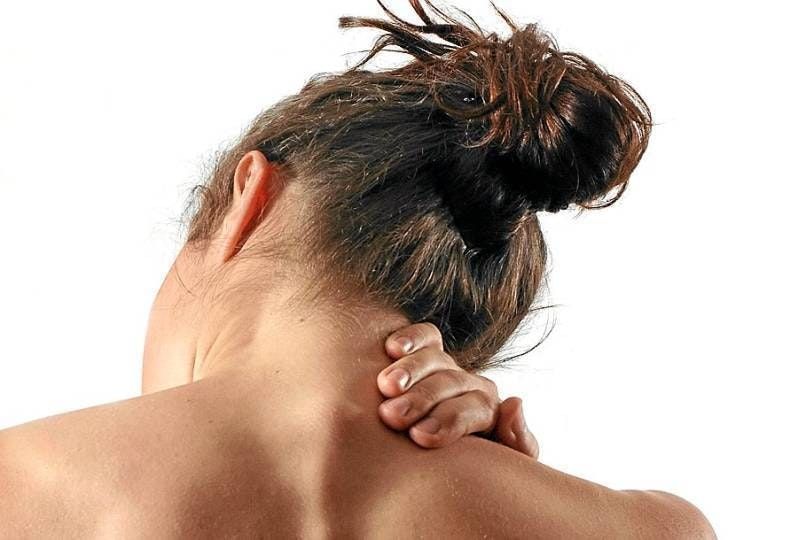
Anne Marie counts herself as one of the 2-4% of the population [1] diagnosed with fibromyalgia syndrome (FMS). Many of the people she knows think the diagnosis is made-up; but fibromyalgia is the 3rd most common rheumatic diagnosis [2], clocking in behind osteo and rheumatoid arthritis.
Like many people with fibromyalgia, Anne Marie is depressed; in clinic studies, more than half have had depression at some point in their lives. 3 She can’t sleep, feels stiff every morning, and is so fatigued that her work suffers. [4] Her family thinks she is lazy, her peers think she is crazy and she doesn’t know where to turn.
Establishing Medical Necessity for Aquatic Therapy
Historically, fibromyalgia has been a difficult disorder to treat in the rehabilitation profession. In the medical setting, education on coping strategies, stress management, sleep patterns, nutrition, energy conservation, and the necessity of physical conditioning have been tried. [5]
But what about plain old hard work? Both aerobic exercise and strengthening exercises have shown promise for the FMS patient. A deconditioned state – such as often seen in the FMS patient – can promote a continued cycle of pain, fatigue, and decreased motivation, leading to further inactivity.
Although aerobic exercise seems to be overall more beneficial for patients with FMS than strengthening exercises, [6,7] both types of exercise offer patients and their health care professionals potential options for FM symptom management. But what if you want to make a case for performing both aerobic exercise and strength training in the warm, supportive environment of the therapy pool? What extra steps must be taken to make sure payers understand the medical necessity of the treatment plan?
The following language can be used in your documentation to support the medical necessity of aquatic therapy. If you decide on aquatic therapy as a treatment option during the initial evaluation, insert the “master statement” in the evaluation. After that, you should make the case for continuing to use aquatic therapy on an ongoing basis (daily or weekly) by using whichever “specific impairment” justification statement is appropriate.
Sample Statement of Medical Necessity:
Assessment (master statement)
PATIENT presents with fibromyalgia syndrome and complains of debilitating fatigue, stiffness, poor quality sleep, anxiety and stress, headaches, and “pain all over.” She ranked pain at 8/10 or worse with her last attempt at aerobic exercise (walking rapidly for 5-10 minutes) and is afraid to try again. She has limitation in both spinal and shoulder ROM (see objective). She missed over 5 days of work this month and no longer attends family gatherings. She takes Amitriptyline to sleep and 1-2 Aleve daily. She has no support group at home or work and she is expressing frustration with the fact that “no one believes I hurt”.
PATIENT’s visits will all take place 1:1 in an aquatic medium in order to capitalize on water's physical properties. Randomized trials show benefits of aquatic exercise for this population (a 2014 Cochrane review pooled 16 of them). 38 There is 'gold' level evidence (www.cochranemsk.org) [8] that supervised aerobic exercise training has beneficial effects on physical capacity and FMS symptoms. Strength training also appears to demonstrate some quantifiable benefits on FMS symptoms.
During her bout of 1:1 aquatic therapy, we will address her acute impairments and functional limitations and prepare her to exercise safely and independently in the water. After these limited goals have been met, PATIENT will be transferred to our aquatic exercise and support group.
Assessment (specific impairments)
Pain/Debilitating Fatigue: PATIENT is unable to sustain a moderate intensity of aerobic level of exercise — an essential component in the treatment of FMS — for >5 minutes. Exercise in water produces less joint and neural loading than the identical exercise performed on land permitting graded and reproducible application of compression forces. This environment provides greater movement freedom which helps interrupt the pain cycle. The pool offers the PATIENT a sustainable exercise environment.
Stiffness/ Decreased ROM: Proper positioning in water provides a low friction surface for movement, encouraging spontaneous active ROM with less restrictions than when hampered by a gravity-dominant environment. Additionally, the water can provide the “ultimate floating treatment table” – allowing a skilled therapist ease of positioning and access for stretching and joint mobilization.
Weakness: Water immersion provides a resistive medium that can be manipulated by a skilled therapist to either assist or resist movement.During early rehab, the immersed limb is automatically supported by buoyancy, which will assist in moving his body against gravity.As rehab progresses, movements can be accelerated to create more drag. Such activities can be structured to create more effort than the identical movements on land.
Poor Sleep/ Anxiety: Aquatic exercise has been shown to produce a significant reduction in both the Fibromyalgia Impact Measure and the Pittsburgh Sleep Quality Index. [9]
Lack of Knowledge of Aquatic Options/ Social WIthdrawal: PATIENT does not have the skill set necessary to maximize rehabilitation results while minimizing pain and fatigue. She will benefit from a short course of 1:1 instruction in aquatic therapy prior to being transferred to a group aquatic class.
Continued in Part 2. Read Part 2.
What newer research says
- Cochrane, 2014. 16 trials (881 people): compared with no exercise, aquatic training improved overall function, pain, stiffness and strength by small to moderate amounts. Compared with land exercise, results were about the same. Evidence quality was low to moderate.38
- Sleep, 2023 meta-analysis. 22 trials: pooled sleep-quality scores (PSQI) trended in favor of aquatic therapy, but the result was not statistically significant, and the trials varied a lot. Short-term FIQ scores did improve.39
So the pool is a reasonable choice for fibromyalgia, not a superior one; the sleep claim in the sample statement rests mainly on one trial (Calandre 2009).
Frequently asked questions
Why is the pool useful for stretching and joint mobilization in fibromyalgia?
The water acts like a floating treatment table, so a skilled therapist can stretch and mobilize joints while the patient is supported (Aquatic Therapy University, 2024).
How common is fibromyalgia among rheumatic diagnoses?
It is the third most common rheumatic diagnosis, even though many people still doubt it is real (Aquatic Therapy University, 2024).
References
References
- Björkegren K, Wallander MA, Johansson S, Svärdsudd K. General symptom reporting in female fibromyalgia patients and referents: a population-based case-referent study. BMC Public Health. 2009;9:402. doi:10.1186/1471-2458-9-402. PubMed: 19878599.
- ReviewBoissevain MD, McCain GA. Toward an integrated understanding of fibromyalgia syndrome. I. Medical and pathophysiological aspects. Pain. 1991;45(3):227-238. doi:10.1016/0304-3959(91)90047-2. PubMed: 1876432.
- Systematic reviewKleykamp BA, Ferguson MC, McNicol E, et al. The Prevalence of Psychiatric and Chronic Pain Comorbidities in Fibromyalgia: an ACTTION systematic review. Semin Arthritis Rheum. 2021;51(1):166-174. doi:10.1016/j.semarthrit.2020.10.006. PubMed: 33383293.
- Wolfe F, Smythe HA, Yunus MB, et al. The American College of Rheumatology 1990 Criteria for the Classification of Fibromyalgia. Report of the Multicenter Criteria Committee. Arthritis Rheum. 1990;33(2):160-72. doi:10.1002/art.1780330203. PubMed: 2306288.
- Guidelinede Miquel CA, Campayo J, Flórez MT, et al. Interdisciplinary consensus document for the treatment of fibromyalgia. Actas Esp Psiquiatr. 2010;38(2):108-20. PubMed: 21361054.
- Randomized controlled trialValim V, Oliveira L, Suda A, et al. Aerobic fitness effects in fibromyalgia. J Rheumatol. 2003;30(5):1060-9. PubMed: 12734907.
- Systematic review and meta-analysisBusch AJ, Schachter CL, Overend TJ, Peloso PM, Barber KA. Exercise for fibromyalgia: a systematic review. J Rheumatol. 2008;35(6):1130-44. PubMed: 18464301.
- Systematic review and meta-analysisBusch AJ, Barber KA, Overend TJ, Peloso PM, Schachter CL. Exercise for treating fibromyalgia syndrome. Cochrane Database Syst Rev. 2007;2007(4):CD003786. doi:10.1002/14651858.CD003786.pub2. PubMed: 17943797.
- Randomized controlled trialCalandre EP, Rodriguez-Claro ML, Rico-Villademoros F, Vilchez JS, Hidalgo J, Delgado-Rodriguez A. Effects of pool-based exercise in fibromyalgia symptomatology and sleep quality: a prospective randomised comparison between stretching and Ai Chi. Clin Exp Rheumatol. 2009;27(5 Suppl 56):S21-8. PubMed: 20074435.
Further reading (from the original post)
- Arnold LM, Crofford LJ, Mease PJ, et al. Patient perspectives on the impact of fibromyalgia. Patient Educ Couns. 2008;73(1):114-20. doi:10.1016/j.pec.2008.06.005. PubMed: 18640807.
- Randomized controlled trialAltan L, Bingöl U, Aykaç M, Koç Z, Yurtkuran M. Investigation of the effects of pool-based exercise on fibromyalgia syndrome. Rheumatol Int. 2004;24(5):272-7. doi:10.1007/s00296-003-0371-7. PubMed: 14508601.
- Randomized controlled trialAssis MR, Silva LE, Alves AM, et al. A randomized controlled trial of deep water running: clinical effectiveness of aquatic exercise to treat fibromyalgia. Arthritis Rheum. 2006;55(1):57-65. doi:10.1002/art.21693. PubMed: 16463414.
- Systematic reviewBaranowsky J, Klose P, Musial F, Häuser W, Dobos G, Langhorst J. Qualitative systemic review of randomized controlled trials on complementary and alternative medicine treatments in fibromyalgia. Rheumatol Int. 2009;30(1):1-21. doi:10.1007/s00296-009-0977-5. PubMed: 19672601.
- ReviewBrosseau L, Wells GA, Tugwell P, et al. Ottawa Panel evidence-based clinical practice guidelines for aerobic fitness exercises in the management of fibromyalgia: part 1. Phys Ther. 2008;88(7):857-71. doi:10.2522/ptj.20070200. PubMed: 18497301.
- ReviewBrosseau L, Wells GA, Tugwell P, et al. Ottawa Panel evidence-based clinical practice guidelines for strengthening exercises in the management of fibromyalgia: part 2. Phys Ther. 2008;88(7):873-86. doi:10.2522/ptj.20070115. PubMed: 18497302.
- GuidelineCarville SF, Arendt-Nielsen L, Bliddal H, et al. EULAR evidence-based recommendations for the management of fibromyalgia syndrome. Ann Rheum Dis. 2008;67(4):536-41. doi:10.1136/ard.2007.071522. PubMed: 17644548.
- Systematic reviewDziedzic K, Jordan JL, Foster NE. Land- and water-based exercise therapies for musculoskeletal conditions. Best Pract Res Clin Rheumatol. 2008;22(3):407-18. doi:10.1016/j.berh.2007.11.002. PubMed: 18519096.
- Randomized controlled trialEvcik D, Yigit I, Pusak H, Kavuncu V. Effectiveness of aquatic therapy in the treatment of fibromyalgia syndrome: a randomized controlled open study. Rheumatol Int. 2008;28(9):885-90. doi:10.1007/s00296-008-0538-3. PubMed: 18278501.
- Randomized controlled trialGowans SE, deHueck A, Voss S, Silaj A, Abbey SE, Reynolds WJ. Effect of a randomized, controlled trial of exercise on mood and physical function in individuals with fibromyalgia. Arthritis Rheum. 2001;45(6):519-29. doi:10.1002/1529-0131(200112)45:6<519::aid-art377>3.0.co;2-3. PubMed: 11762686.
- Randomized controlled trialGusi N, Tomas-Carus P, Häkkinen A, Häkkinen K, Ortega-Alonso A. Exercise in waist-high warm water decreases pain and improves health-related quality of life and strength in the lower extremities in women with fibromyalgia. Arthritis Rheum. 2006;55(1):66-73. doi:10.1002/art.21718. PubMed: 16463415.
- Systematic review and meta-analysisHall J, Swinkels A, Briddon J, McCabe CS. Does aquatic exercise relieve pain in adults with neurologic or musculoskeletal disease? A systematic review and meta-analysis of randomized controlled trials. Arch Phys Med Rehabil. 2008;89(5):873-83. doi:10.1016/j.apmr.2007.09.054. PubMed: 18452734.
- Jentoft ES, Kvalvik AG, Mengshoel AM. Effects of pool-based and land-based aerobic exercise on women with fibromyalgia/chronic widespread muscle pain. Arthritis Rheum. 2001;45(1):42-7. doi:10.1002/1529-0131(200102)45:1<42::AID-ANR82>3.0.CO;2-A. PubMed: 11308060.
- Systematic review and meta-analysisLanghorst J, Musial F, Klose P, Häuser W. Efficacy of hydrotherapy in fibromyalgia syndrome--a meta-analysis of randomized controlled clinical trials. Rheumatology (Oxford). 2009;48(9):1155-9. doi:10.1093/rheumatology/kep182. PubMed: 19608724.
- Systematic review and meta-analysisLima TB, Dias JM, Mazuquin BF, et al. The effectiveness of aquatic physical therapy in the treatment of fibromyalgia: a systematic review with meta-analysis. Clin Rehabil. 2013;27(10):892-908. doi:10.1177/0269215513484772. PubMed: 23818412.
- Randomized controlled trialMannerkorpi K, Nyberg B, Ahlmén M, Ekdahl C. Pool exercise combined with an education program for patients with fibromyalgia syndrome. A prospective, randomized study. J Rheumatol. 2000;27(10):2473-81. PubMed: 11036846.
- Randomized controlled trialMannerkorpi K, Ahlmén M, Ekdahl C. Six- and 24-month follow-up of pool exercise therapy and education for patients with fibromyalgia. Scand J Rheumatol. 2002;31(5):306-10. doi:10.1080/030097402760375223. PubMed: 12455823.
- ReviewMarcus DA. Fibromyalgia: diagnosis and treatment options. Gend Med. 2009;6 Suppl 2:139-51. doi:10.1016/j.genm.2009.01.004. PubMed: 19406366.
- Systematic reviewMcVeigh JG, McGaughey H, Hall M, Kane P. The effectiveness of hydrotherapy in the management of fibromyalgia syndrome: a systematic review. Rheumatol Int. 2008;29(2):119-30. doi:10.1007/s00296-008-0674-9. PubMed: 18751709.
- Meiworm L, Jakob E, Walker UA, Peter HH, Keul J. Patients with fibromyalgia benefit from aerobic endurance exercise. Clin Rheumatol. 2000;19(4):253-7. doi:10.1007/s100670070040. PubMed: 10941802.
- Randomized controlled trialMunguía-Izquierdo D, Legaz-Arrese A. Exercise in warm water decreases pain and improves cognitive function in middle-aged women with fibromyalgia. Clin Exp Rheumatol. 2007;25(6):823-30. PubMed: 18173915.
- Randomized controlled trialMunguía-Izquierdo D, Legaz-Arrese A. Assessment of the effects of aquatic therapy on global symptomatology in patients with fibromyalgia syndrome: a randomized controlled trial. Arch Phys Med Rehabil. 2008;89(12):2250-7. doi:10.1016/j.apmr.2008.03.026. PubMed: 19061736.
- Ortega E, Bote ME, Giraldo E, García JJ. Aquatic exercise improves the monocyte pro- and anti-inflammatory cytokine production balance in fibromyalgia patients. Scand J Med Sci Sports. 2012;22(1):104-12. doi:10.1111/j.1600-0838.2010.01132.x. PubMed: 20536907.
- Perraton L, Machotka Z, Kumar S. Components of effective randomized controlled trials of hydrotherapy programs for fibromyalgia syndrome: A systematic review. J Pain Res. 2009;2:165-73. doi:10.2147/jpr.s8052. PubMed: 21197303.
- Randomized controlled trialTomas-Carus P, Häkkinen A, Gusi N, Leal A, Häkkinen K, Ortega-Alonso A. Aquatic training and detraining on fitness and quality of life in fibromyalgia. Med Sci Sports Exerc. 2007;39(7):1044-50. doi:10.1249/01.mss.0b0138059aec4. PubMed: 17596770.
- Randomized controlled trialTomas-Carus P, Gusi N, Häkkinen A, Häkkinen K, Raimundo A, Ortega-Alonso A. Improvements of muscle strength predicted benefits in HRQOL and postural balance in women with fibromyalgia: an 8-month randomized controlled trial. Rheumatology (Oxford). 2009;48(9):1147-51. doi:10.1093/rheumatology/kep208. PubMed: 19605373.
- Randomized controlled trialTomas-Carus P, Gusi N, Häkkinen A, Häkkinen K, Leal A, Ortega-Alonso A. Eight months of physical training in warm water improves physical and mental health in women with fibromyalgia: a randomized controlled trial. J Rehabil Med. 2008;40(4):248-52. doi:10.2340/16501977-0168. PubMed: 18382819.
- Randomized controlled trialVitorino DF, Carvalho LB, Prado GF. Hydrotherapy and conventional physiotherapy improve total sleep time and quality of life of fibromyalgia patients: randomized clinical trial. Sleep Med. 2006;7(3):293-6. doi:10.1016/j.sleep.2005.09.002. PubMed: 16564209.
Newer research
- Systematic review and meta-analysisBidonde J, Busch AJ, Webber SC, et al. Aquatic exercise training for fibromyalgia. Cochrane Database Syst Rev. 2014;2014(10):CD011336. doi:10.1002/14651858.CD011336. PubMed: 25350761.
- Systematic review and meta-analysisBravo C, Rubí-Carnacea F, Colomo I, Sánchez-de-la-Torre M, Fernández-Lago H, Climent-Sanz C. Aquatic therapy improves self-reported sleep quality in fibromyalgia patients: a systematic review and meta-analysis. Sleep Breath. 2024;28(2):565-583. doi:10.1007/s11325-023-02933-x. PubMed: 37847348.
How to cite this article
First published June 5, 2024 on atuseminars.com · Last updated October 19, 2026 · Permanent URL: https://www.aquatictherapyuniversity.com/blog/fibromyalgia-is-or-should-be-all-wet-part-1
How to cite
Aquatic Therapy University. (2024, June 5). Fibromyalgia is (or Should be) All Wet (Part 1 of 2). Aquatic Therapy University Blog. ATU Educational Services, LLC. https://www.aquatictherapyuniversity.com/blog/fibromyalgia-is-or-should-be-all-wet-part-1
Permissions: You may quote and cite this article with attribution. Reproducing or adapting the full article requires written permission from ATU Educational Services, LLC.
For education only; not a substitute for individual clinical judgment.